Sterility testing is a microbiological quality assessment used to determine whether research materials contain viable microorganisms that could affect laboratory studies. For research peptides and other scientific materials, sterility testing complements analytical techniques such as LC-MS and HPLC by evaluating microbial quality rather than chemical composition. Together with comprehensive documentation and batch consistency, sterility testing supports reproducible and reliable laboratory research.
Why Is Sterility Testing Used in Scientific Laboratories?
Laboratory experiments often require carefully controlled conditions to minimize variables that could influence research outcomes. Sterility testing helps identify microbial contamination before research materials are introduced into experimental systems.
Although contamination may not always be visible, microorganisms can affect biological assays, cell-based experiments, and other laboratory investigations. Identifying contamination early helps researchers maintain greater confidence in their experimental data.
What Sterility Testing Is Designed to Detect
Depending on the validated testing method, sterility testing evaluates whether a sample contains:
- Viable bacteria
- Yeasts
- Molds
- Other microbial contaminants
The objective is to determine the presence or absence of microbial growth under controlled laboratory conditions.
How Does Sterility Testing Differ from Chemical Analysis?
Researchers evaluate multiple aspects of material quality before beginning laboratory work. Sterility testing provides microbiological information, while analytical chemistry methods verify chemical characteristics.
Each method contributes different information that helps researchers fully characterize their materials.
Sterility Testing and LC-MS
Liquid Chromatography–Mass Spectrometry (LC-MS) verifies molecular identity by separating compounds and measuring molecular mass.
In contrast, sterility testing does not analyze molecular structure. Instead, it determines whether viable microorganisms are present within the sample.
Sterility Testing and HPLC
High-Performance Liquid Chromatography (HPLC) measures peptide purity by separating chemical compounds.
Unlike HPLC, sterility testing evaluates microbiological quality. Reviewing both chemical and microbiological data provides researchers with a more complete assessment before experimental use.
Why Is Sterility Testing Important for Experimental Reproducibility?
Scientific reproducibility depends on reducing variables that could influence experimental results. Microbial contamination is one such variable that laboratories seek to control.
By incorporating sterility testing into quality assurance programs where appropriate, researchers can better identify contamination before it affects laboratory studies.
Quality Measures That Complement Sterility Testing
Researchers frequently review:
- LC-MS identity verification
- HPLC purity analysis
- Batch consistency records
- Third-party analytical testing
- Manufacturing documentation
- Laboratory storage records
Together, these quality measures support more consistent research materials.
How Does Documentation Support Sterility Testing?
Quality assurance relies on thorough documentation that allows researchers to verify analytical and manufacturing information throughout a project's lifecycle.
Certificate of Analysis (COA) and Sterility Testing
A Certificate of Analysis (COA) commonly includes:
- Batch identification
- Product identity
- Purity results
- Analytical methods performed
- Storage recommendations
- Manufacturing information
Where applicable, additional microbiological documentation may accompany analytical records to provide a broader overview of laboratory quality.
Best Practices After Sterility Testing
Even after successful sterility testing, maintaining appropriate laboratory procedures remains essential to preserve material quality.
General recommendations include:
- Store materials according to supplier guidance.
- Handle samples using established laboratory protocols.
- Minimize unnecessary environmental exposure.
- Keep containers securely sealed.
- Document storage and handling procedures.
- Maintain clean laboratory workspaces.
Proper handling helps reduce the risk of contamination after testing has been completed.
Why Transparent Quality Control Matters
Reliable laboratory research depends on more than a single quality assessment. Transparent documentation, standardized analytical methods, and consistent manufacturing practices help researchers evaluate materials with greater confidence.
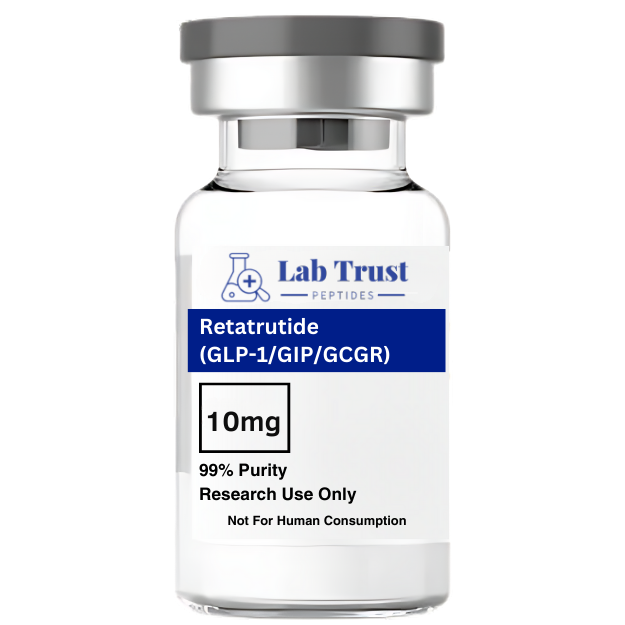
For example, Lab Trust Peptides provides research-use-only peptides accompanied by Certificates of Analysis, LC-MS verification, HPLC purity testing, third-party analytical evaluation, and comprehensive quality documentation. These resources enable laboratories to review multiple quality indicators before initiating experimental research.
Conclusion
Sterility testing is an important component of laboratory quality assurance because it evaluates microbial contamination that analytical chemistry alone cannot detect. When combined with LC-MS identity verification, HPLC purity analysis, Certificates of Analysis, batch consistency, and transparent documentation, sterility testing contributes to a comprehensive quality framework for research materials. These practices help laboratories conduct reproducible scientific investigations while maintaining high standards for research-use-only peptides and other experimental compounds.